
Maple trees stay frozen most of the winter, but once the days get longer and the temperatures warmer, they begin to thaw and start drawing water up through their roots to get ready for the growing season. Walking home from school, we couldn’t help but notice pails hanging on the trunks of the maple trees along the road. Maple sugar time, or “sugaring off,” occurs from late February to early April when freezing nights and warmer days cause the sap to flow, although the exact timing can vary depending on the weather.
The flow of sap in our maple trees meant that spring was on its way, and with the arrival of the sap came the maple syrup and sometimes a small amount of maple cream. Around our home we had several maple trees, and each year Father tapped them to get the sap. When enough had been gathered, it was boiled into syrup. I wasn’t with him when the trees were tapped, but he used what was called a spile, which was a small, tapered spout made of metal that gets driven into the maple tree to extract the sap. Each spile had a hook from which a pail was hung from a hook on the spout. Each pail had a cover to keep out rain and snow. On the smaller trees he used one tap, but on the larger ones he usually used two: one on the front of the tree and the other on the back, which was a bit higher than the one in front. He tapped the trees at chest height, which made it easy to check the pails, and if we received more snow, the taps remained accessible.
When my brother Merle and I came home from school, we would check the pails, and when we found a full pail, we would remove it and replace it with a clean, empty one. As long as the temperature stayed above zero, the sap dripped into the pails.

The length of the sugaring season was and still depends totally upon the weather. It may last only a few weeks, or as long as six or eight weeks. As the days become increasingly warmer, and the nights get below freezing less and less often, the buds on the branches of the maple trees begin to swell, which marks the end of the maple syrup season. Chemical changes take place within the tree as baby leaves form within the buds. That’s when the sap is no longer suitable for boiling down into syrup.

Fascinating story thanks Marilyn. We enjoyed maple syrup on almost all food when we toured British Columbia.
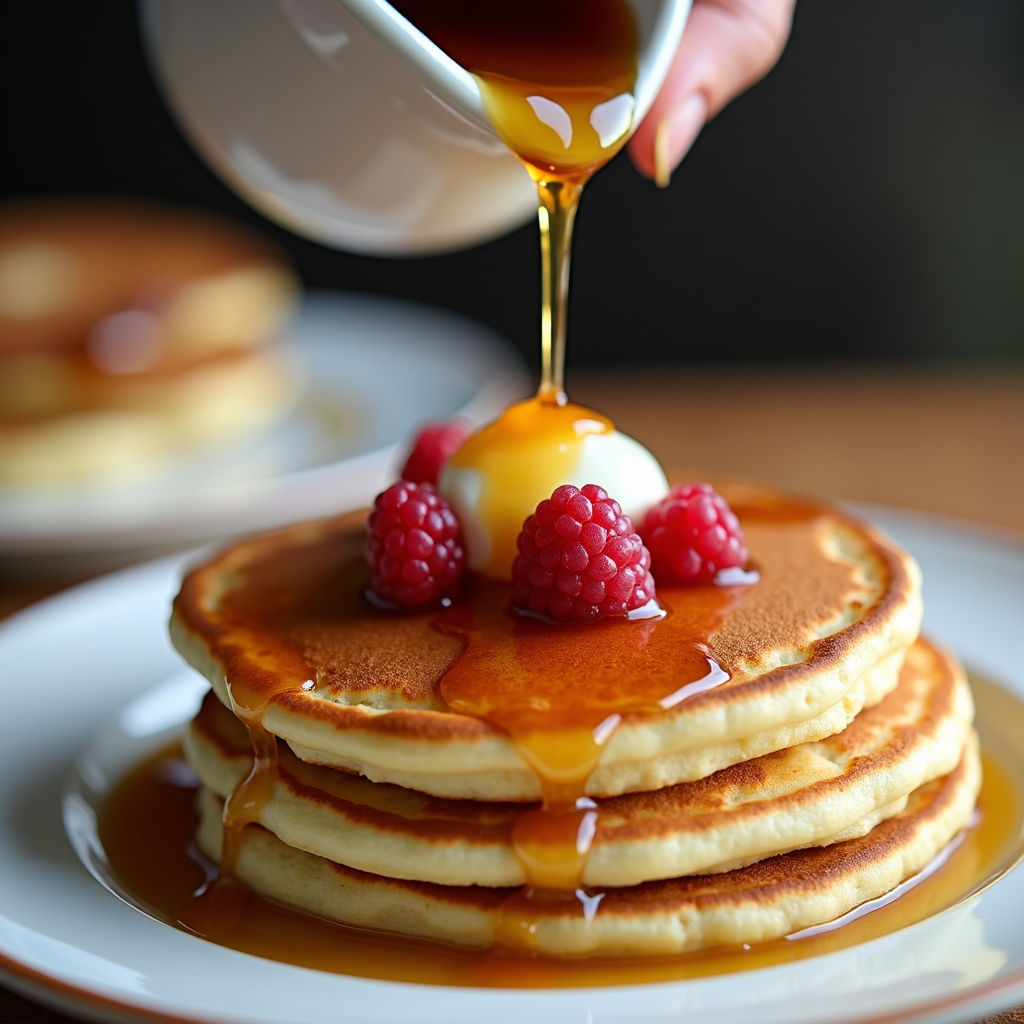
Especially on pancakes!
We don’t have maple trees in Western Australia. Too hot and too dry. Imported maple syrup is available Nowhere as much a staple food as in your country.
Thanks for your article.
By the way I purchased your new book, “My First Decade – Revisited”, written by Marilyn Gould, yesterday. I’ve read the first two chapters. Love your stories.
Cheers Ross