The Heat is On: Lessons from the 2021 Heat Dome
With summer around the corner, many of us are looking forward to the sunshine. However, the recent anniversary of the 2021 B.C. heat wave serves as a sobering reminder of how dangerous extreme heat can be—especially for seniors living alone.
The tragedy of 2021 revealed a critical gap in our safety nets: 98% of heat-related deaths occurred indoors. This wasn’t a case of people staying out in the sun too long; it was a case of homes becoming dangerously hot, reaching temperatures that the human body simply cannot handle.
Why Indoor Heat is the “Silent Killer”
As we age, our bodies become less efficient at regulating temperature. We don’t sweat as easily, and our “thirst alarm” doesn’t go off as frequently as it used to. When indoor temperatures hit 31°C (88°F), it becomes a high-risk environment for those with chronic conditions like heart disease or respiratory issues.
Beating the Heat Without Central AC
If you don’t have air conditioning, or if you are worried about the cost of running it, here are the most effective “low-tech” ways to stay safe:
-
The “Window Shuffle”: Keep your windows and blinds tightly closed between 10:00 AM and 8:00 PM. This traps the cooler overnight air inside. Only open them once the outdoor temperature drops below your indoor temperature.
-
The Damp Sheet Trick: If you are feeling overheated, a lukewarm (not cold) shower is helpful, but even better is sleeping under a damp sheet or wearing a wet t-shirt. The evaporation acts as a personal cooling system.
-
Create a “Cool Room”: Identify the naturally coolest room in your home (often the basement or a north-facing room). If a heat wave is forecast, move your essentials—and even your bed—into that room temporarily.
-
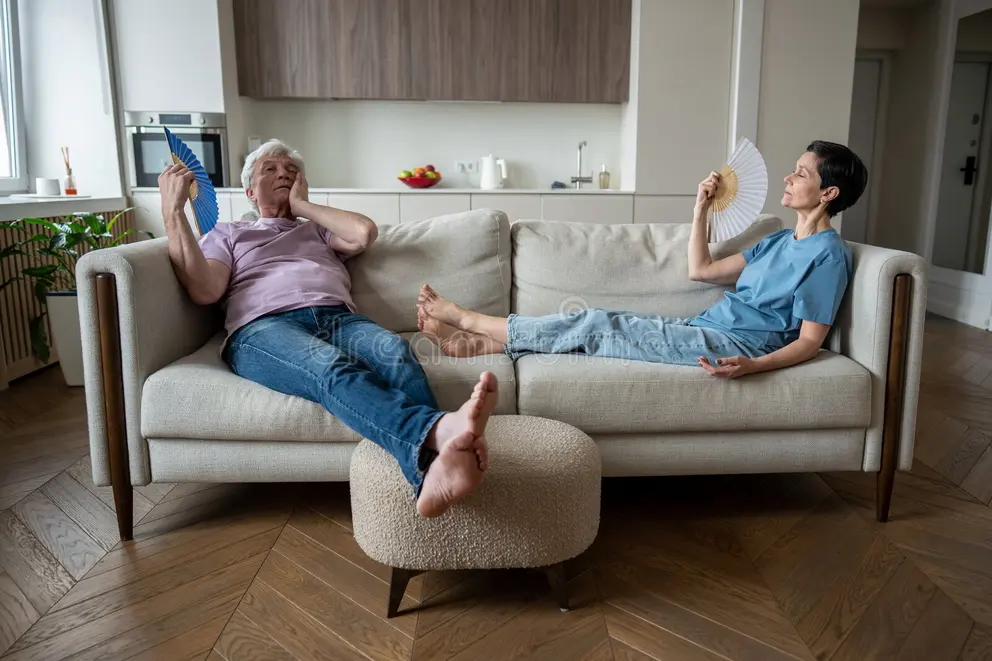
Fans Aren’t Enough: In extreme heat (above 35°C), a fan just moves hot air around and can actually dehydrate you faster. Do not rely on fans as your primary cooling method during a heat alert. Use them to pull in cool air from outside only at night.
Free Help in B.C.
If you live in British Columbia, there is a vital program you should know about. BC Hydro offers free portable air conditioners to low-income seniors and those with certain medical conditions.
-
How to apply: You generally need a referral from your regional health authority’s Home Care Program. It is a “first come, first served” system, so if you think you qualify, now is the time to check the BC Hydro website or call 1-800-224-9376.
The Buddy System: Don’t Go It Alone
The most important lesson from 2021 was the value of a check-in. If you live alone, please arrange a “Heat Buddy.” This is someone who agrees to call or visit you twice a day during a heat wave—once in the morning and once in the evening—to make sure your home isn’t getting too hot and that you are drinking enough water.
We are all in this together. Let’s make sure that this summer, every senior in our community stays cool, hydrated, and safe.
To learn more about: Heat Stroke & Heat Exhaustion: Signs, Symptoms and First Aid go to The Canadian Red Cross Guide.