
June 5, 1939: The Birth of “Joe Who?” — Canada’s Youngest Prime Minister
On this day in 1939, Charles Joseph “Joe” Clark was born in the foothills town of High River, Alberta. Raised in a Prairie newspaper family, Clark would go on to carve out a permanent place in the ledger of Canadian politics, proving that a kid from a small town could make it to the highest office in the land.
When Clark unexpectedly won the leadership of the Progressive Conservative party in 1976 at just thirty-six years old, the Toronto star-making machinery and big-city media didn’t know what to make of him. The Toronto Star famously ran a headline asking, “Joe Who?”
But Clark had the last laugh. In May of 1979, he took the fight to Pierre Elliott Trudeau’s eleven-year Liberal dynasty and won, becoming the 16th Prime Minister of Canada.
A Few Fast Facts About Joe Clark:
-
The Ultimate Milestone: Sworn into office the day before his 40th birthday, he remains the youngest Prime Minister in Canadian history.
-
A Voice for the West: He was the very first Canadian Prime Minister born and raised in the Prairies.
-
A “Community of Communities”: Unlike the rigid centralist view of Canada pushed by Ottawa insiders, Clark famously championed the idea that Canada was a “community of communities”—a perspective deeply shaped by his upbringing in rural Alberta.
Though his minority government lasted only nine months before falling on a tough budget vote, Clark’s career was far from over. He later served with immense distinction as the Secretary of State for External Affairs, earning global respect for his principled stance against apartheid in South Africa.
Joe Clark proved that you didn’t need a corporate pedigree or a Montreal-Toronto postal code to lead the country—just an honest work ethic and a deep understanding of the folks who keep this country moving.
Other Notable Events on June 5:
-
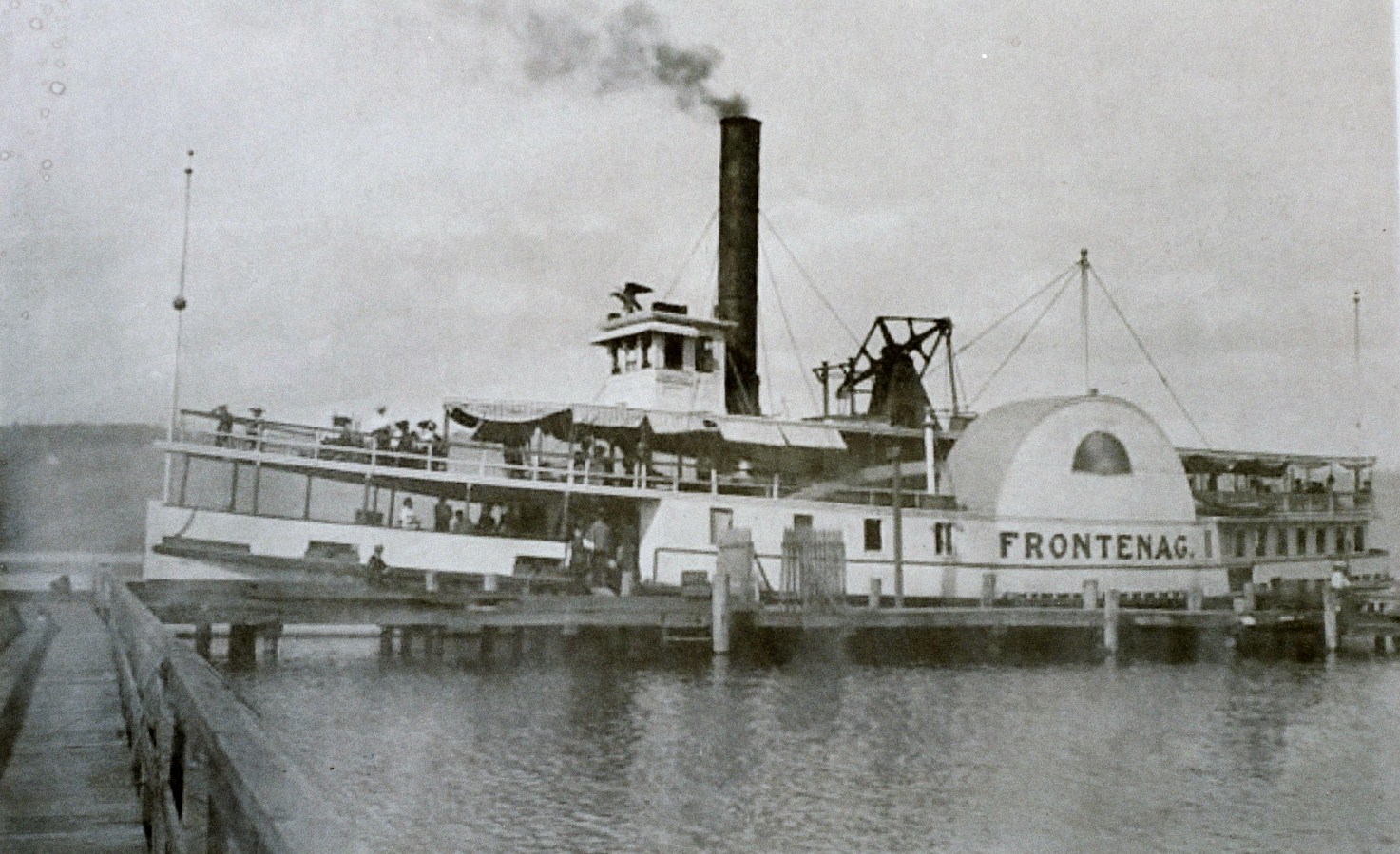
1817 – The Age of Steam on the Lakes: The Frontenac, the very first steamboat to navigate the Great Lakes, was launched at Ernestown, Upper Canada (Ontario). It marked the beginning of a massive transportation boom that opened up trade and settlement across central Canada.
-
1895 – The RCMP on the Move: Long before the modern force took shape, the North-West Mounted Police established a major presence on the Prairies, with June 5 marking key milestones in the early policing and organizing of the Western frontier.
What do you think? Do you remember the “Joe Who?” headlines when he first broke onto the national scene, or does the launch of the old Great Lakes steamships feel like a fun story to share with the history buffs on your list?
Talk about a powerhouse year for entertainment. 1939 is widely considered the absolute “Golden Year” of Hollywood, and the music charts weren’t lagging far behind.
Here are the undisputed heavyweights for 1939:
The Top Movie: Gone with the Wind
There isn’t even a close second place here. Premiering in December 1939, it became an absolute cultural phenomenon.
-
The Stats: It pulled in a staggering $20 million in its initial domestic run (when a movie ticket cost less than a quarter).
-
The Legacy: To this day, when adjusted for inflation, it remains the highest-grossing film of all time worldwide, beating out every modern blockbuster. It also swept the Academy Awards, winning 8 competitive Oscars.
-
Honorable Mention: 1939 also gave us The Wizard of Oz, Mr. Smith Goes to Washington, and Stagecoach.
The Top Song: “In the Mood” by Glenn Miller
While Judy Garland’s “Over the Rainbow” from The Wizard of Oz is the most enduringly famous song written that year, the track that absolutely dominated the actual 1939 music charts was Glenn Miller’s big band anthem.
-
The Stats: Released in September 1939, “In the Mood” shot to number one and stayed there for a massive 12 consecutive weeks.
-
The Sound: It defined the Swing Era and became the soundtrack for the generation heading into the 1940s. Glenn Miller actually had a banner year in 1939, also scoring massive hits with “Moonlight Serenade” and his own chart-topping version of “Over the Rainbow”.
Imagine walking down the street in 1939—you’d hear Glenn Miller blasting from every jukebox, and the lines down the block would be for Clark Gable and Vivien Leigh.