
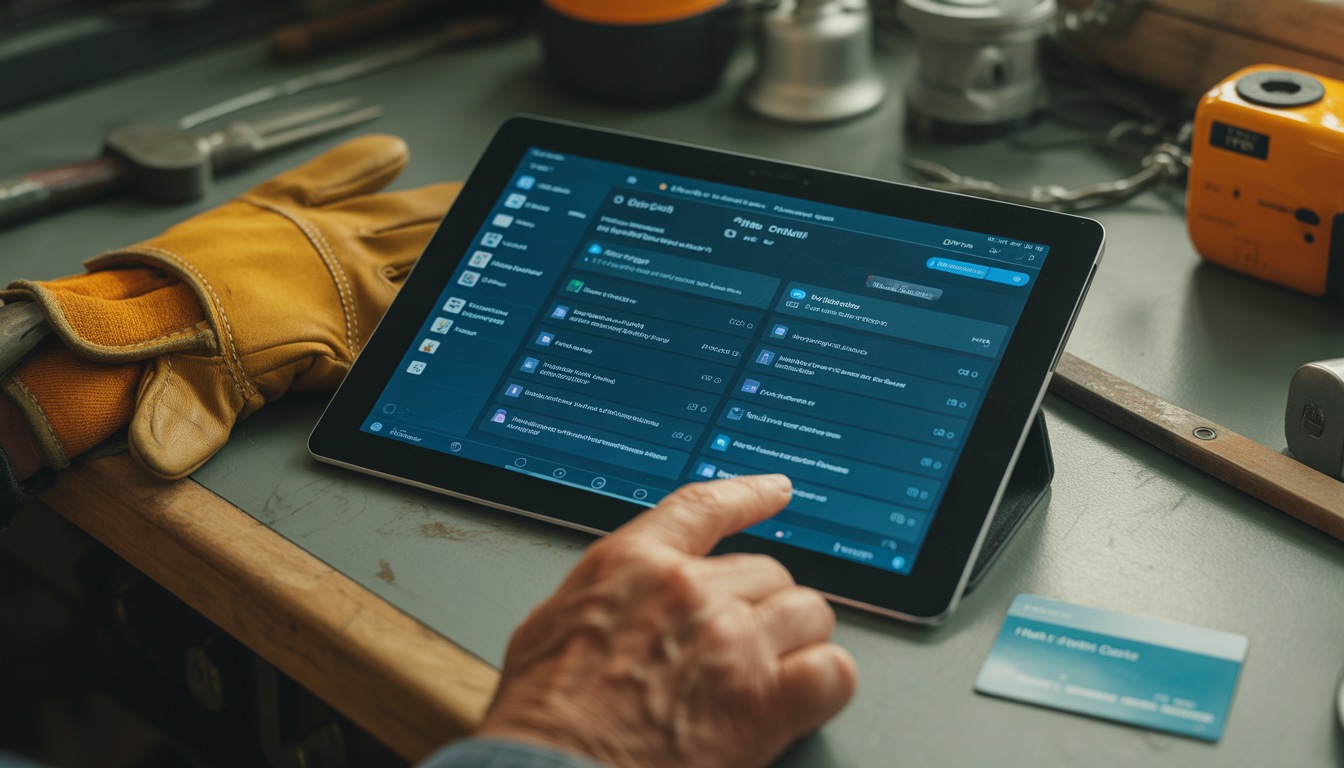
For decades, being a senior in Nova Scotia meant waiting by the mailbox. You waited for your health card renewal, you waited for your Pharmacare paperwork, and you waited for “service verification” letters that sometimes never arrived.
As of April 28, 2026, that era is officially over. The launch of MSI Online isn’t just a technical update; it’s a shift in power. It’s a tool that allows you to stop being a “patient” and start being a health manager.
Why You Should Log In Today
-
The Pharmacare Shortcut: You can now register for or renew your Seniors’ Pharmacare Program coverage electronically. No more stamps, no more “lost in the mail” excuses.
-
Instant Updates: Need to change your address or update your health card info? You can do it in minutes via any web browser or the YourHealthNS app.
-
The “Paper-Free” Option: You can finally opt-in to receive communications electronically. While the government will still mail physical cards, you can now see the status of your inquiries and forms in real-time.
The “Stand Up” Lifestyle Tip
The world assumes seniors are “tech-averse,” but we know better. Using these digital tools isn’t just about convenience—it’s about accountability.
-
The Strategy: Log in and check your “Service Verification” history. These letters confirm the services you received from providers. Reviewing them ensures your records are accurate and that the system is working for you, not just around you.
Why It Matters
While the housing market might be slumping and experts suggest retirees delay downsizing, your ability to Age in Place depends on how well you navigate the healthcare system. Digital tools like MSI Online and “smart” communication devices (like the Waterloo-designed Paige video clock) are the new infrastructure for independence.
The Challenge: Don’t wait for your health card to expire. Go to the MSI Online portal today and claim your digital seat at the table.
Here is how other provinces currently handle their digital health and Pharmacare tools as of May 2026:
1. British Columbia: The “Health Gateway”
British Columbia is arguably the furthest ahead with its Health Gateway platform.
-
What it does: You can view your B.C. health records in one spot, including medications, lab test results, and health visits.
-
The Command Factor: It includes a mobile app and allows you to download your own records to share with people you trust.
2. Alberta: “MyHealth Records”
Alberta’s system is designed to be a comprehensive personal health data hub.
-
What it does: Albertans 14 and older can view medication history, diagnostic reports, and even upload data from personal devices like blood pressure monitors.
-
The Command Factor: It essentially gives you a “Personal Health Record” (PHR) that you own and manage, rather than just being a mirror of the government’s files.
3. Ontario: “ServiceOntario Digital”
While Ontario has a robust digital renewal system, it remains more “transactional” than some of the other provinces.
-
What it does: You can easily renew health cards online or schedule virtual appointments for renewals.
-
The Command Factor: It is highly efficient for staying “valid,” but lacks the deep record-viewing capabilities found in BC or Alberta’s systems.
4. Quebec: “Carnet santé Québec”
Quebec has recently introduced a “delegate” feature that is particularly useful for seniors.
-
What it does: As of February 9, 2026, you can now grant a “trusted person” access to view your health carnet to help accompany you during medical follow-ups.
-
The Command Factor: You can revoke this access at any time, giving you control over who helps manage your care.
5. Manitoba & Saskatchewan: The “Automatic” Advantage
These provinces focus heavily on simplifying the Pharmacare burden.
-
Manitoba: Their One-Time Program Enrolment for Pharmacare is a standout feature. Once you sign a consent form, the CRA automatically sends your income info to Manitoba Health every year—meaning you never have to re-apply.
-
Saskatchewan: Uses the MySaskHealthRecord for personal data and recently updated their Online Formulary Database (as of May 1, 2026) to make it easier to search for covered medications and costs.
The Takeaway for “New Blood” Seniors: No matter which province you live in, the era of the “Passive Patient” is over. Whether it’s Nova Scotia’s new MSI Online or BC’s Health Gateway, the tools now exist for you to audit the system. Using these portals isn’t just about avoiding a line at the post office; it’s about having your own data in your hand when you walk into a doctor’s office.
Warmly,
Bill & Marilyn
Founders, Canadian Senior Moment
Government of Nova Scotia: MSI Online Launch
This official news release from April 28, 2026, provides the specific details on the new digital tools available to Nova Scotians for managing MSI and Pharmacare.
Interesting article thanks. One point I disagree with. “Can’t get lost in the mail?”
I don’t know if the Aussie electronic prescription system is similar to the Canadian one? Anyway here’s my little experience.
Yes electronic scripts can get lost in the system (mail).
I recently experienced an electronic prescription drama. My Doctor texted two electronic scripts to me. They didn’t arrive at my end.
After phoning the medical centre asking the whereabouts of the scripts the Doctor resent them. They arrived. Probably another patient received my original scripts. We will never know!
No big drama. However the electronic prescription system in Aussie is no more foolproof than the snail mail system. Much faster for sure but NOT foolproof.
Here in Nova Scotia doctors send prescriptions direct to our pharmacy.