Our Remembrance Day ceremonies and traditions are a way of keeping memories alive. Remembering the stories of pride and shame, bravery and cowardice, outrage and fear, comradeship and sacrifice, sadness and grief.
I remember one rainy cold morning on Remembrance Day. I was about five or six and was at our neighbour’s house. Old Ed, who was in his 80s, had pulled his chair up close to his old floor-standing radio and had tuned in to CBC. He was listening to the Remembrance Day services taking place in Ottawa. At 11 am, there was the two minutes of silence.
He sat there in his chair, holding a wad of Kleenex in his trembling hands as tears flowed down his face. He wasn’t embarrassed by his outward display of emotion while reminiscing about the suffering, dying, and bereavement of those who were lost. People with names, and homes, and loved ones. I was too young to realize the true meaning of Remembrance Day, and why it affected old Ed so much.
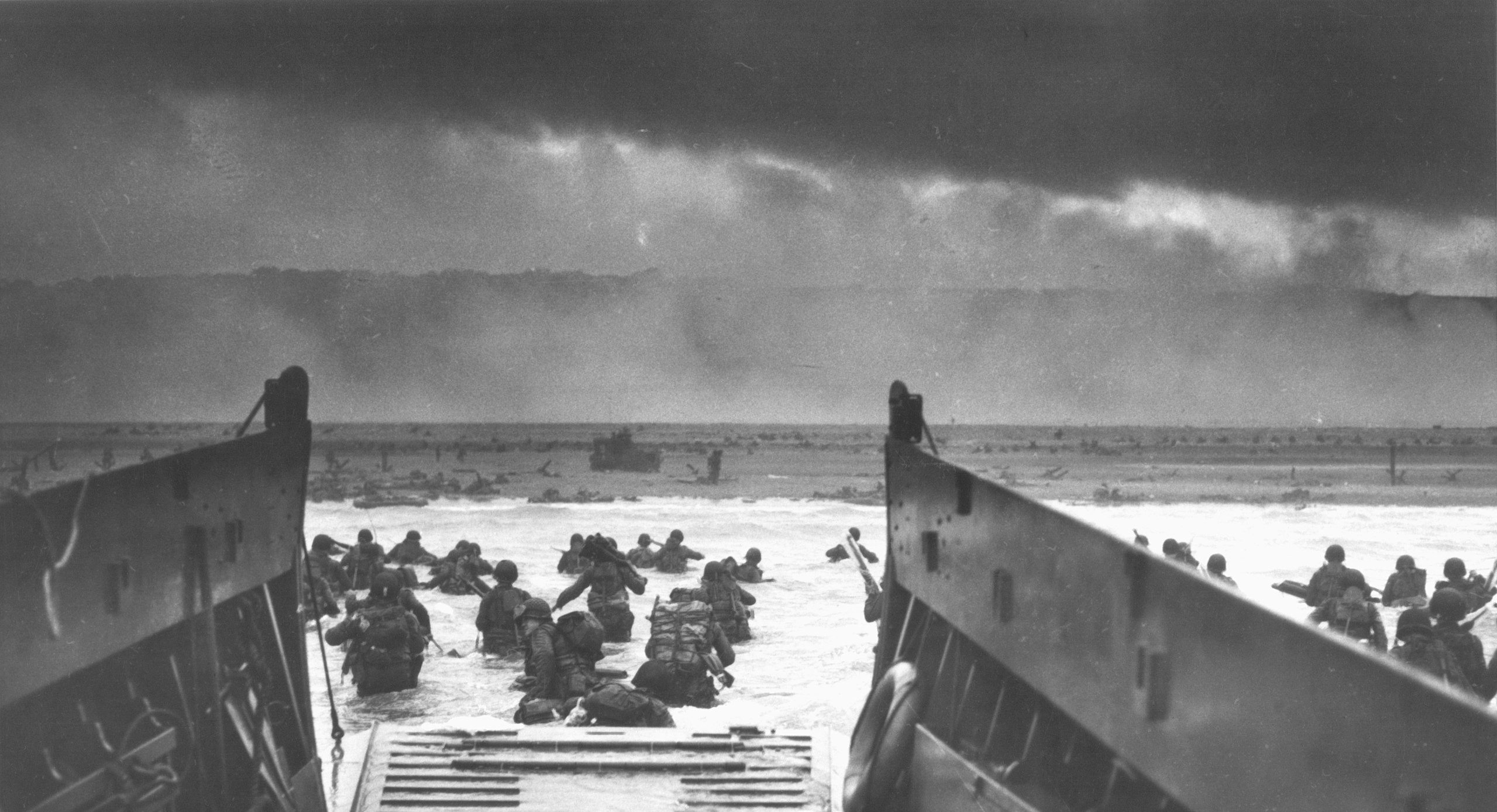
Seeing me staring at him in bewilderment, his wife Elsie, took me to one side and explained that during those two minutes of silence he was thinking about his father landing on the shores of Normandy as machine-gun bullets ripped through his comrades all around him as they waded through ocean water toward shore. Remembering his dad was painful for him, as his father’s life was cut short; and he never came home again. She went on to say that his thoughts of Remembrance Day were about the fallen, and those who were left to survive after the landings. The terror of another week of fighting, the memories of leaving friends and comrades dead, dying and injured on the beach.
For most Canadians, Remembrance Day is a time for gratitude, reflection, and expressions of national pride. But for many soldiers and veterans scarred by trauma, it’s a time of anxiety, stress, and unwelcome triggers. I have learned over the years that Remembrance Day can be especially difficult for those battling post-traumatic stress disorder, a condition marked by recurrent memories of a stressful event, nightmares, and severe emotional distress or physical reactions to any reminders of war-time trauma.
I strongly believe it is our duty on Remembrance Day to feel pride, and to express it. To express it by being at the cenotaph, to express it by buying the poppy, to express it by shaking the hands of a veteran, even actually stopping somebody in uniform on the street and thanking them for their service. For those of the past, present and future, we will remember them for their dedication. We will remember them for their courage. We will remember them for the sacrifice of their lives for ours. We will remember them.
I often wonder what Remembrance Day means to people. Does it bring up memories, trigger emotions, or have absolutely no meaning for them?
Blessings to you all as you remember, as you pray, and as you reflect.
**Explore More:**
– Browse our archive of 200+ articles at CanadianSeniorMoment.ca
– Check out our bookshop for helpful Canadian senior resources
– Join our Facebook community for daily discussions
*Not a member yet? Forward this to a friend who’d benefit!*