A Holistic Path to Inner Peace and Seeking Support
Hi there, Welcome back to “Your Canadian Senior Moment”! In our series on finding calm, we’ve explored the unique stressors seniors face and introduced mindfulness as a powerful tool for present-moment awareness. Today, in Part 3, we’ll broaden our perspective to discuss a holistic approach to stress management, recognizing that true inner peace often comes from nurturing all aspects of our well-being, and knowing when to seek professional support.
Beyond Mindfulness: A Holistic Approach to Stress Management
Mindfulness is a powerful tool, but it works best as part of a broader strategy for well-being. Think of it as one key ingredient in a recipe for a more peaceful life. Combining mindfulness with these complementary practices can significantly enhance your ability to cope with stress:
-
Physical Activity: As we’ve discussed in previous articles, even gentle daily movement (like walking, stretching, or light exercise) is a fantastic stress reliever. Physical activity boosts your mood, improves energy levels, and can help you release pent-up tension. Find activities you enjoy and that suit your mobility.
-
Healthy Diet & Hydration: Fueling your body with nutritious food and staying well-hydrated provides the essential physical resilience needed to cope with stress. A balanced diet supports overall brain health and can help regulate mood and energy.
-
Quality Sleep: Prioritize good sleep hygiene. Sufficient, restorative rest directly impacts your ability to manage stress, maintain energy, and think clearly. Aim for consistent sleep schedules and create a relaxing bedtime routine. (Refer to our article on Sleep & Energy! for more tips).
-
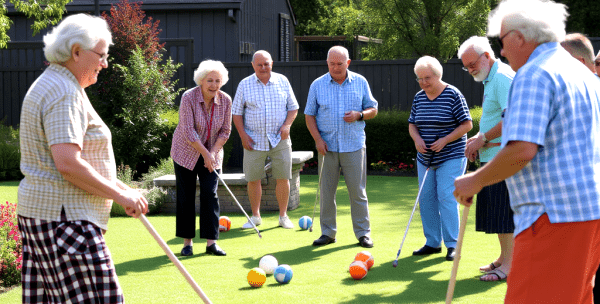
Social Connection: Actively combat loneliness and isolation by connecting with family, friends, and community groups. Laughter, conversation, and shared activities are powerful stress reducers. Whether it’s a virtual chat, a coffee with a friend, or joining a club, nurture your social bonds.
-
Set Boundaries & Pace Yourself: Learning to say “no” when you’re feeling overwhelmed is crucial. Break large tasks into smaller, manageable ones. Give yourself permission to rest and avoid over-scheduling. Pacing yourself prevents burnout.
-
Engage in Hobbies & Purpose: As explored in “Finding New Passions,” engaging in activities you love and that give you purpose can significantly reduce stress. Hobbies bring joy, meaning, and a sense of accomplishment to your days, providing a positive distraction from worries.
-
Embrace Humour: Seek out things that make you laugh – whether it’s a funny movie, a witty book, spending time with a friend who always brings a smile to your face, or simply finding the lightness in everyday situations. Laughter truly is good medicine for stress.
When to Seek Professional Support
While these strategies are incredibly effective, it’s vital to recognize when stress and anxiety become overwhelming, persistent, or interfere significantly with your daily life. If you feel constantly agitated, depressed, or unable to cope, it’s crucial to talk to your doctor. They can:
-
Assess your situation and rule out any underlying medical causes for your symptoms.
-
Refer you to mental health professionals, such as therapists or counsellors, who can provide specialized coping strategies.
-
Connect you with local support programs or resources tailored to seniors’ mental health.
Remember, seeking help is a sign of strength and self-care. Resources like the Canadian Coalition for Seniors’ Mental Health (ccsmh.ca) also offer excellent information and support.
Learning to find your calm in the present moment through mindfulness and adopting a holistic approach to well-being can profoundly enhance your enjoyment of life. Embrace these strategies, and cultivate a more peaceful and fulfilling Canadian Senior Moment.

Your Daily Quick Tip: Schedule “You” Time!
Just as you schedule appointments, schedule regular “you” time – even if it’s just 15-30 minutes a day. Use this time for a mindful practice, a hobby, a short walk, or simply quiet relaxation. Protecting this time is essential for managing stress proactively.
Our Shared Wisdom: Your Go-To Stress Buster?
Of all the holistic strategies for managing stress, which one do you find most effective in your own life? Is it physical activity, social connection, or a beloved hobby? Share your personal “go-to” stress buster!
Keep the Conversation Going!
We’ve concluded our series on Finding Your Calm! What’s your biggest takeaway from our discussion on stress management and mindfulness? What new strategy might you incorporate into your routine? Share your insights in the comments below – your experiences truly help our Canadian Senior Moment community.
(Please remember: We are not medical professionals. The information above is for educational purposes only. It does not constitute medical or mental health advice. For personalized guidance on stress management or any health concerns, consult a qualified healthcare provider.)
Warmly, Bill & Marilyn Founders of Canadian Senior Moment