
Finding Your Calm: Part 2
Mindfulness: Finding Calm in the Present Moment
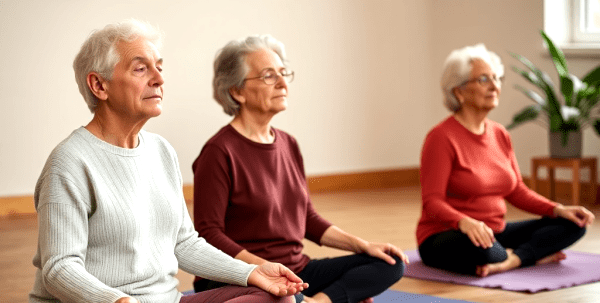
Mindfulness: Finding Calm in the Present Moment
Hi there, Welcome back to “Your Canadian Senior Moment”! Yesterday, in Part 1, we explored the unique stressors Canadian seniors face and the impact that chronic stress can have on overall well-being. Today, in Part 2, we’ll introduce a powerful and accessible practice for finding calm amidst life’s pressures: Mindfulness – finding calm in the present moment.
Mindfulness: Finding Calm in the Present Moment
Mindfulness is a simple, yet profoundly effective practice that involves paying attention to the present moment, on purpose, and without judgment. It doesn’t require physical exertion or special equipment, making it incredibly accessible for seniors, regardless of mobility or physical limitations.
-
What it is: It’s about noticing your thoughts, feelings, and bodily sensations as they happen, without getting caught up in them or trying to change them. It helps to break the cycle of worrying about the past or future, grounding you in the “here and now.”
-
Why it’s effective for seniors: It empowers you to create mental space, reduces rumination (dwelling on negative thoughts), and helps you respond to stress more calmly rather than reacting impulsively. Research indicates that mindfulness can reduce anxiety and depression, improve sleep, and even enhance cognitive function and immune response in older adults.
Simple Mindfulness Practices to Try:
Mindfulness doesn’t require hours of meditation. You can integrate it into your daily life with these simple practices:
Mindful Breathing: This is the most fundamental practice and a cornerstone of mindfulness.
-
Find a quiet space, sit comfortably, and gently close your eyes (if comfortable).
-
Simply focus your attention on your breath. Notice the sensation of the air entering and leaving your body – the rise and fall of your abdomen.
-
Don’t try to change your breath; just observe it. If your mind wanders (which it will!), gently bring your attention back to your breath without judgment. Start with just 2-5 minutes a day; even a few conscious breaths can make a difference.
Mindful Engagement of Your Senses: Bring full, non-judgmental awareness to everyday activities.
-
Mindful Eating: When you eat a meal or even a simple snack, slow down. Notice the colours, textures, smells, and tastes of your food. Savor each bite, chew thoroughly, and pay attention to signals of hunger and fullness.
-
Mindful Walking: As you walk (even a short stroll in your neighbourhood here in Valley, Nova Scotia), pay attention to the sensations in your feet, the rhythm of your steps, the sounds around you, and the feeling of the air. Be present with each stride.
-
Mindful Observation: Choose an object (a flower, a piece of art, your hand) and simply observe it for a minute, noticing every detail without judgment. This helps to train your focus.
Body Scan Meditation:
-
Lie down or sit comfortably. Gently close your eyes.
-
Bring your attention, without judgment, to different parts of your body, starting from your toes and slowly moving up to your head (or vice versa). Notice any sensations, tension, or relaxation in each area. This helps to release built-up physical tension.
Guided Meditations: If you prefer a structured approach, many free apps (e.g., Calm, Headspace often offer free trials or basic content) and YouTube videos offer guided mindfulness meditations specifically for beginners or for stress relief, often tailored for various durations.
Mindfulness is not about clearing your mind entirely, but about cultivating a calm awareness. By practicing these simple techniques, you can develop a greater capacity for peace and presence in your daily life.

Your Daily Quick Tip: Start Small with Mindful Breathing!
You don’t need a lot of time. Commit to just 2-5 minutes of mindful breathing first thing in the morning or before bed. Even this small consistent practice can help calm your nervous system and set a more peaceful tone for your day or night.
Our Shared Wisdom: Your Moment of Calm
Which of these simple mindfulness practices might you try first? What “everyday activity” could you bring more mindful awareness to? Share how the idea of finding calm in the present moment resonates with you.
Keep the Conversation Going!
We’d love to hear your thoughts in the comments below! Have you tried mindfulness before, or do you have a personal technique for finding calm? Your insights help build our vibrant Canadian Senior Moment community.
We’ll conclude our series tomorrow in Part 3, exploring a holistic approach to stress management and when to seek professional support.
(Please remember: We are not medical professionals. The information above is for educational purposes only. It does not constitute medical or mental health advice. For personalized guidance on stress management or any health concerns, consult a qualified healthcare provider.)
Warmly,
Bill & Marilyn
Founders of Canadian Senior Moment
mindfulness, stress management, seniors, meditation, mindful breathing, mindful eating, mindful walking, body scan, guided meditation, present moment, inner peace, cognitive function, emotional well-being, stress reduction, anxiety relief, accessible practice, mental health, senior wellness, Canada, Nova Scotia