Making New Friends After 60
Hi there. Welcome back to “Your Canadian Senior Moment”!
Remember when making friends was as simple as playing in the sandbox or sitting next to someone in homeroom? As adults, and especially as seniors, friendship can feel more complicated. Maybe you’ve moved to a new city, lost touch with old friends, or found that retirement has left you with fewer social connections than you expected. You’re not alone—and the good news is that it’s absolutely possible to make meaningful new friendships at any age.
This week, we’re starting a new three-part series called “The Friendship Files,” where we’ll explore the joys and challenges of friendship in our senior years. Today, we’re tackling what many find to be the trickiest part: making new friends after 60.

Why Is It Harder Now?
Let’s be honest—making friends as a senior can feel awkward. There are real reasons why it’s more challenging than it used to be:
-
Less Built-In Social Structure: Work provided automatic social opportunities. Your kids’ activities connected you with other parents. These natural friend-making situations are less common in retirement.
-
We’re More Set in Our Ways: We know what we like and what we don’t. We’re less willing to put up with people who drain our energy. This is actually healthy, but it does narrow the field.
-
Fear of Rejection: Let’s face it—asking someone to coffee feels vulnerable at any age. “What if they think I’m weird?” “What if they say no?” These fears are real, even if they’re rarely realized.
-
Everyone Seems Busy: Other seniors have their own established friend groups and routines. Breaking into those circles can feel like trying to join a club that’s already full.
The good news? Everyone else is thinking the exact same things. That friendly-looking person at the community centre? They’d probably love to have coffee with you but are too nervous to ask.
Where to Find Potential Friends
The secret to making friends isn’t about being outgoing or charming—it’s about showing up regularly in places where you share common interests with others.
-
Community Centres and Senior Centres: Yes, they have a reputation, but modern senior centres offer everything from fitness classes to woodworking to technology workshops. You’ll find people your age who are actively looking to connect.
-
Volunteer Organizations: Nothing bonds people faster than working toward a common goal. Food banks, hospitals, libraries, museums, political campaigns—choose a cause you care about and you’ll meet like-minded people.
-
Classes and Workshops: Learning something new? You’ll be surrounded by others doing the same. Community colleges, art studios, cooking classes, dance lessons—the shared experience of being a beginner creates natural conversation starters.
-
Walking Groups and Fitness Classes: Exercise is more fun with company, and these groups welcome newcomers. Check your local community board, library, or recreation center for walking clubs, tai chi, aquafit, or gentle yoga.
-
Book Clubs and Discussion Groups: If you love to read, book clubs provide built-in topics of conversation. Many libraries host them, or you can find them through community centers or online groups that meet in person.
-
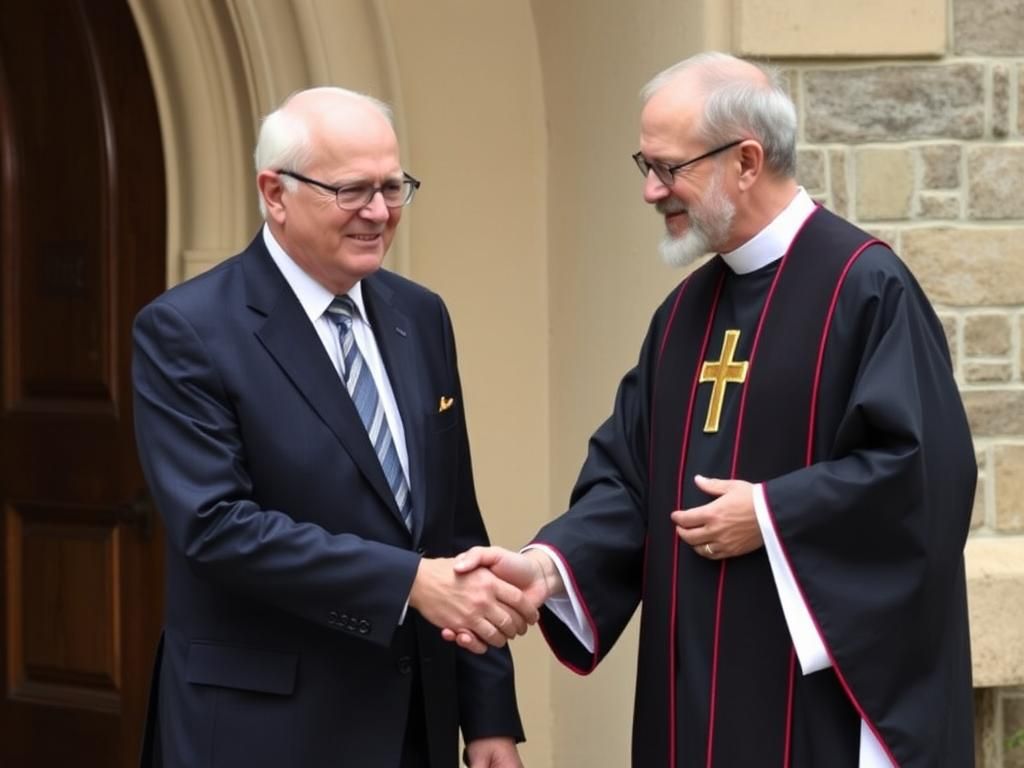
Faith Communities: If you’re spiritually inclined, churches, synagogues, mosques, and temples often have social groups specifically for seniors.
-
Special Interest Clubs: Into photography? Genealogy? Gardening? Bridge? Model trains? There’s probably a club for that. Check community bulletin boards, libraries, or search online for “[your interest] club [your city].”


The Awkward First Steps
Here’s the part nobody talks about: those first conversations can feel stilted and uncomfortable. That’s normal! Here are some strategies that actually work:
-
Start Small: You don’t need to invite someone to dinner right away. Start with a smile and a “How are you?” If that goes well, next time add a comment about the activity you’re both doing. Build gradually.
-
Ask Questions: People generally love talking about themselves. “How long have you been coming here?” “What got you interested in this?” “Do you have any tips for a beginner?” Questions show interest and keep conversation flowing.
-
Find the Regulars: Show up to the same activity at the same time each week. Familiarity breeds friendship. After a few weeks, suggest coffee after class or a walk before the next meeting.
-
Use Humor About the Awkwardness: “I feel like we’re at a middle school dance—I never know how to make the first move!” Most people will laugh and appreciate your honesty.
-
Extend a Small Invitation: “I’m going to grab a coffee after this—want to join me?” Low pressure, easy to say yes to, and if they decline, you haven’t overcommitted.
Realistic Expectations
Making genuine friends takes time. You probably won’t meet your new best friend on your first outing. But if you show up consistently, engage authentically, and give it a few months, friendship will happen naturally.
Also remember: you don’t need a dozen new friends. Even one or two quality friendships can significantly improve your happiness and health. Quality over quantity, always.
The Health Benefits Are Real
Before you think “this seems like a lot of effort,” remember that friendship isn’t just about having fun (though it is fun!). Research consistently shows that strong social connections:
-
Reduce risk of cognitive decline and dementia
-
Lower blood pressure and improve heart health
-
Boost immune system function
-
Increase longevity (yes, friends help you live longer!)
-
Improve mental health and reduce depression
-
Give life meaning and purpose
Making the effort to build friendships isn’t selfish—it’s self-care.
Our Shared Wisdom: Your Friend-Making Success
Have you made a new friend in retirement? How did you meet? What advice would you give to someone who feels stuck or lonely? Your experience could be exactly what another reader needs to hear!
Keep the Conversation Going!
Tomorrow in Part 2, we’ll talk about maintaining old friendships across distance and time—how to keep those decades-long connections strong even when life takes you in different directions.
Warmly,
Bill and Marilyn
Founders of Canadian Senior Moment